

Women's Services and Gynecology Surgery at GW Hospital
Keeping You Safe
 At GW Hospital, your safety and health are our top priority. That’s why we put safety protocols in place for in-office visits, including enhanced disinfection of high-traffic areas, physical distancing in the lobby and waiting areas, and required masking of all patients, visitors and staff at all times. We have also implemented strict isolation practices to keep suspected or confirmed COVID-19 patients separated from other patients.
In addition to in-person visits, quality care is also offered through virtual health services. Use your phone, laptop or other device to access virtual care wherever you are.
Caring for Women of All Ages
Are you experiencing painful periods, abnormal bleeding, urine leakage, or other condition? If so, the surgical specialists at GW Hospital know what you’re going through and we can help. Our experts treat conditions including endometriosis, uterine fibroids, abnormal bleeding, menopause, osteoporosis, overactive bladder, urinary incontinence, prolapsed uterus and sexually transmitted diseases.
Keeping You Safe
At GW Hospital, your safety and health are our top priority. That’s why we put safety protocols in place for in-office visits, including enhanced disinfection of high-traffic areas, physical distancing in the lobby and waiting areas, and required masking of all patients, visitors and staff at all times. We have also implemented strict isolation practices to keep suspected or confirmed COVID-19 patients separated from other patients.
In addition to in-person visits, quality care is also offered through virtual health services. Use your phone, laptop or other device to access virtual care wherever you are.
Care for Women of All Ages
A woman’s life is marked by profound physiological changes from puberty to menopause. At GW Hospital, our specialists pursue a team-based approach to care — coordinating with specialists from urology, fertility and colorectal surgery to ensure patient concerns are heard, understood, and treated appropriately. We treat conditions including endometriosis, uterine fibroids, abnormal bleeding, menopause, osteoporosis, overactive bladder, urinary incontinence, prolapsed uterus and sexually transmitted diseases.
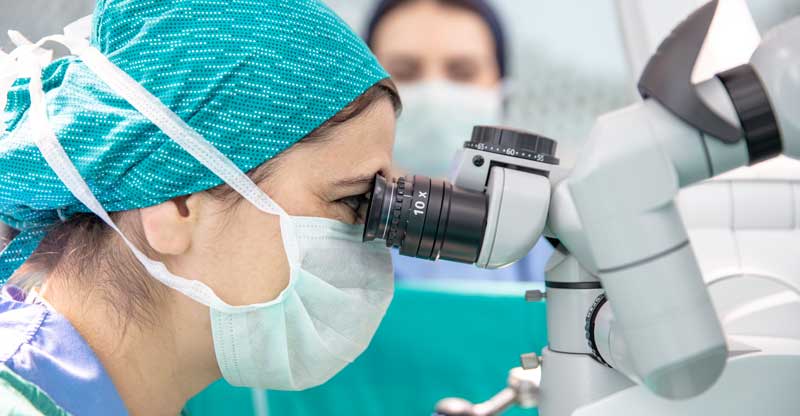
Minimally Invasive and Robotic Gynecologic Surgery*
If you need to have surgery, we have an option that can result in less scarring, a quicker recovery, and less pain. Sounds good, doesn’t it? Our surgeons use the latest surgical techniques, including minimally invasive surgery and robotic surgery, which utilize existing entry points in the body or create small incisions no wider than the width of your finger, allowing for quicker healing of the surgical area. These techniques and others are used in the treatment of conditions such as:
- Infertility
- Endometriosis
- Uterine fibroids
- Abnormal bleeding
- Hysterectomy
- Myomectomy

GW Pelvic Floor Center
If you’re experiencing urinary problems, or pressure or fullness in your pelvic area, the urologists, colorectal surgeons, gynecologists and urogynecologists at the Pelvic Floor Center are here to help you. We offer many treatment options for pelvic floor disorders such as pelvic organ prolapse, urinary incontinence, overactive bladder, rectocele and cystocele. These include:
- Pelvic floor muscle strengthening
- Pessary fitting and care
- Electrical impulse stimulation
- Bowel management program
- Laparoscopic pelvic floor repair
- Repair of muscle defect
- Artificial bowel sphincter
- Colostomy

The Women’s Center
Women at all stages of life can find quality gynecological care at The Women’s Center at GW Hospital. We offer a comprehensive range of services, with an emphasis on preventive health and education. In addition to well-woman exams, The Women’s Center can help you with:
- Pap smears
- Pelvic exams
- Birth control methods
- Family planning
- Breast exams
- Tubal ligation
- Hormonal replacement therapy (HRT)
- Gynecologic oncology
*Individual results may vary. There are risks associated with any surgical procedure. Talk with your doctor about these risks to find out if minimally invasive surgery or robotic surgery are right for you.
Gynecology Surgeons

Cherie Q. Marfori, MD, FACOG
Dr. Marfori specializes in minimally invasive gynecologic surgery (MIGS) and is the Fellowship Director of GW’s fellowship in MIGS. She is also the Director of GW’s Center of Excellence in Minimally-Invasive Gynecologic Surgery (COEMIG). She enjoys caring for problems across the entire surgical gynecologic spectrum, including fibroids, endometriosis, gender dysphoria, Muellerian anomalies, Asherman’s syndrome and pelvic organ prolapse.
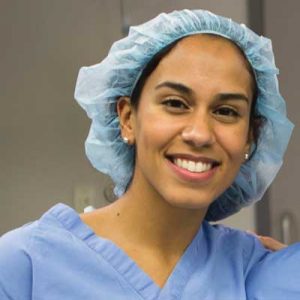
Maria Victoria Vargas, MD, MS, FACOG
Dr. Vargas completed subspecialty training focused on minimally invasive surgical procedures, including myomectomy, pelvic prolapse repair, excision of endometriosis and total and subtotal laparoscopic hysterectomy. She enjoys taking care of women with problems across the entire gynecologic spectrum, including fibroids, endometriosis, abnormal bleeding, abnormal pap smears, pelvic pain and Asherman’s syndrome.

Catherine Z. Wu, MD
Dr. Wu is a fellowship-trained specialist with an expertise in complex benign gynecologic conditions, such as abnormal uterine bleeding, fibroids, adenomyosis, endometriosis, ovarian cysts and pelvic pain. She offers treatment with minimally invasive techniques such as laparoscopy, robotic surgery, hysteroscopy and office-based procedures.
Pelvic Floor Health Specialist and Surgeon

Charelle Carter-Brooks, MD, MSC
Dr. Carter-Brooks is Assistant Professor of Obstetrics and Gynecology at the GW School of Medicine and Health Sciences. Her practice includes the medical and surgical treatment of women with pelvic floor disorders, including urinary incontinence and pelvic organ prolapse. She is committed to improving women’s healthcare through education, patient care, mentorship, research and volunteerism.
A Life-Changing Procedure
Arlene Bright is an accomplished nurse and mother who struggled for years with a problem that many women face but few talk about: urinary incontinence. She thought her symptoms were caused by an overactive bladder, but testing later showed that she also had pelvic organ prolapse and stress urinary incontinence.
Arlene met with urogynecology specialist Charelle Carter-Brooks, MD, MSc, to talk about her condition. After considering her treatment options, she decided to move forward with a vaginal prolapse repair and a midurethral sling to address the structural issues disrupting her life.
The recovery took about three weeks, but Arlene remembers feeling the effects immediately, as her normal functioning returned. “It was truly life-changing,” she says.

For an in-person or virtual appointment, call 888-4GW-DOCS
Location
The George Washington University Hospital
900 23rd Street, NW
Washington, DC 20037
Facility city, state, ZIP
888-4GW-DOCS
GW Hospital is located in the heart of Washington, DC and is accessible from the Foggy Bottom metro stop.